
For generations, education in India has often been synonymous with textbooks, rote learning, and a relentless focus on academic scores. But what if education could be more? What if it could build not just intellect, but also character, resilience, and a lifelong love for learning, all through the power of play?
This is precisely the transformative vision embedded within India’s National Education Policy (NEP) 2020. Heralded as a “transformative blueprint,” NEP 2020 isn’t just about reforming curricula; it’s about revolutionizing how we perceive holistic development, placing physical education and sports squarely at its core.
The Paradigm Shift: Sports as an Integral Part of Learning
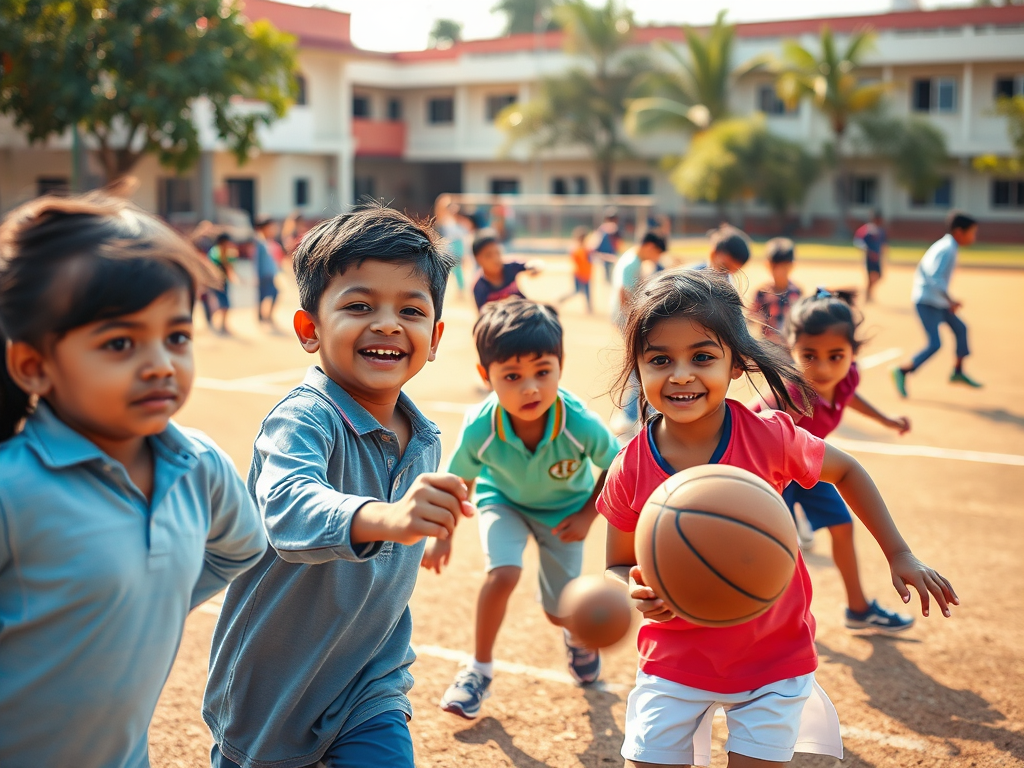
Historically, sports have often been relegated to the sidelines—a “co-curricular” activity, nice to have, but not essential. NEP 2020 fundamentally challenges this notion. It elevates physical education to a “compulsory and integral part of the academic framework,” recognizing that physical activity is not just for fitness, but crucial for cognitive development and overall well-being.
This isn’t merely about adding more gym classes. It’s about a profound philosophical shift that aims to instill vital values like teamwork, discipline, and resilience, ensuring that every child participates in structured physical activities throughout their schooling.
Beyond the Field: Building Physical Resilience and Mental Fortitude
The benefits of sports extend far beyond a healthy body. Regular physical activity is a powerful antidote to the sedentary lifestyles prevalent today, significantly reducing the risk of chronic diseases like obesity, diabetes, and cardiovascular issues. It strengthens bones, improves flexibility, and enhances coordination.
But perhaps even more profoundly, sports build resilience. Whether it’s recovering from an injury, bouncing back from a tough loss, or pushing through physical discomfort, athletes learn to adapt and persevere. This isn’t just physical resilience; it’s mental and emotional fortitude. Sports provide a healthy outlet for stress, boost mood by releasing endorphins, and can significantly reduce anxiety and depression. The confidence gained on the field translates directly into a more positive outlook on life.
The Mind Game: Fostering Lifelong Learning Skills
Think about a basketball player making a split-second decision, or a soccer team adjusting its strategy mid-game. These aren’t just physical actions; they are intense cognitive exercises. Sports are dynamic laboratories for developing critical thinking, strategic planning, and adaptability.
Athletes constantly anticipate moves, analyze strengths and weaknesses, and devise creative solutions to overcome obstacles. This “reading the game” ability is a direct parallel to strategic foresight needed in leadership and problem-solving in any field. Sports also instill crucial skills in goal setting and perseverance, teaching individuals to break down challenges and work systematically towards their achievement. Studies even suggest that participation in team sports can make individuals “smarter” and is correlated with higher GPAs.
Cultivating the Sportsman Spirit: Character, Teamwork, and Ethics
Perhaps one of the most invaluable contributions of sports is the cultivation of sportsman spirit. This encompasses fairness, respect, integrity, and empathy. Learning to win gracefully and lose with dignity fosters emotional maturity.
Team sports, in particular, are crucibles for developing strong interpersonal skills. Players learn to communicate effectively, collaborate towards common goals, and understand their individual roles within a collective framework. Discipline, too, is a fundamental trait honed through consistent training schedules and the pursuit of mastery. Beyond the game, sports teach ethical conduct, respecting officials, promoting inclusivity, and managing competition ethically—where winning ethically becomes as important as the victory itself. These are the foundational elements of responsible citizenship.
The Road Ahead: Challenges and Opportunities
While NEP 2020’s vision for sports is inspiring, its successful implementation faces significant hurdles. Inadequate infrastructure, the digital divide, the need for comprehensive teacher training, and sufficient funding are all critical challenges. There’s also the delicate balance of integrating sports without inadvertently increasing academic pressure on students.
However, opportunities abound. Successful local initiatives across India demonstrate that the policy’s principles can be “used creatively and tailored to context.” Leveraging technology, fostering strong community engagement, and ensuring robust monitoring will be key.
Charting a Path for a Resilient and Future-Ready Generation
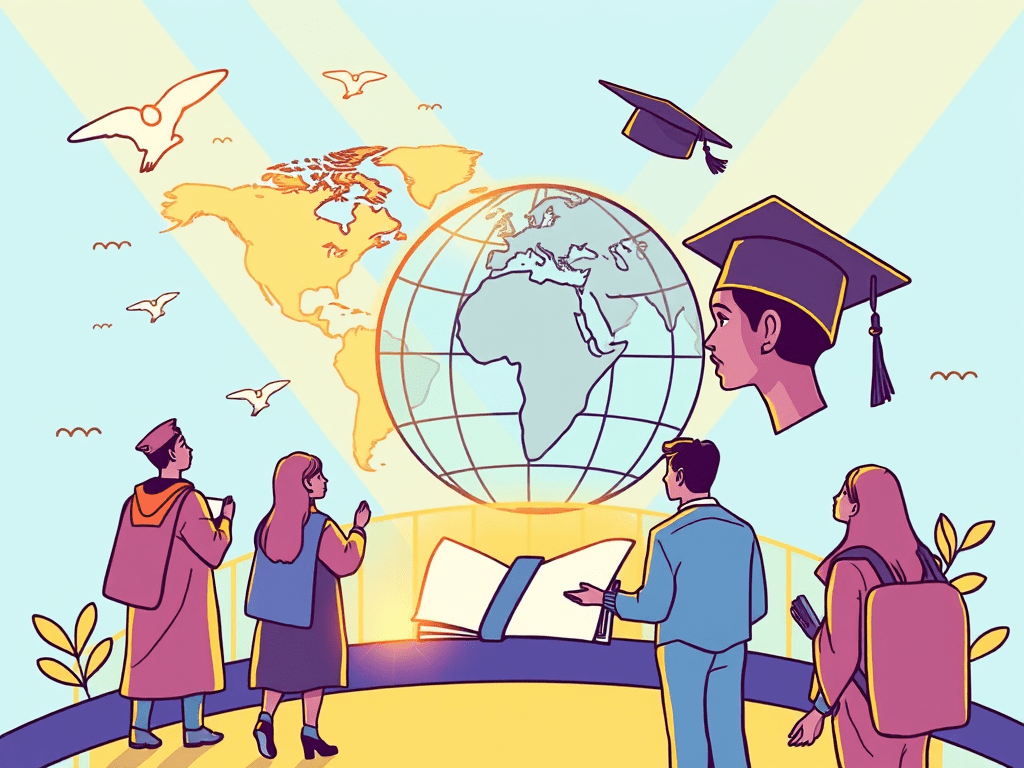
NEP 2020’s ambition to make India a “Global Education Hub” and an “engine of development and empowerment” is profoundly linked to the effective integration of sports. A generation that is physically and mentally resilient, adaptable, and ethically grounded, nurtured through a well-integrated sports education system, is foundational to a nation’s competitiveness and progress in the 21st century.
By embracing sports not as an optional extra, but as an indispensable component of education, India is charting a path towards nurturing well-rounded individuals who are not just academically proficient, but also equipped with the life skills, character, and resilience to thrive in an ever-evolving world. It’s an investment not just in education, but in the very future of the nation.
Disclaimer:
Please note that the views and opinions expressed in this blog post are solely those of the author and do not represent the views of any organization or affiliate. The content provided is intended to foster thoughtful discussion and does not aim to offend or undermine any particular group or individual. Readers are welcome to hold differing opinions and are encouraged to share their perspectives in a constructive and respectful manner.




 Ajay Prasad
Leave a comment