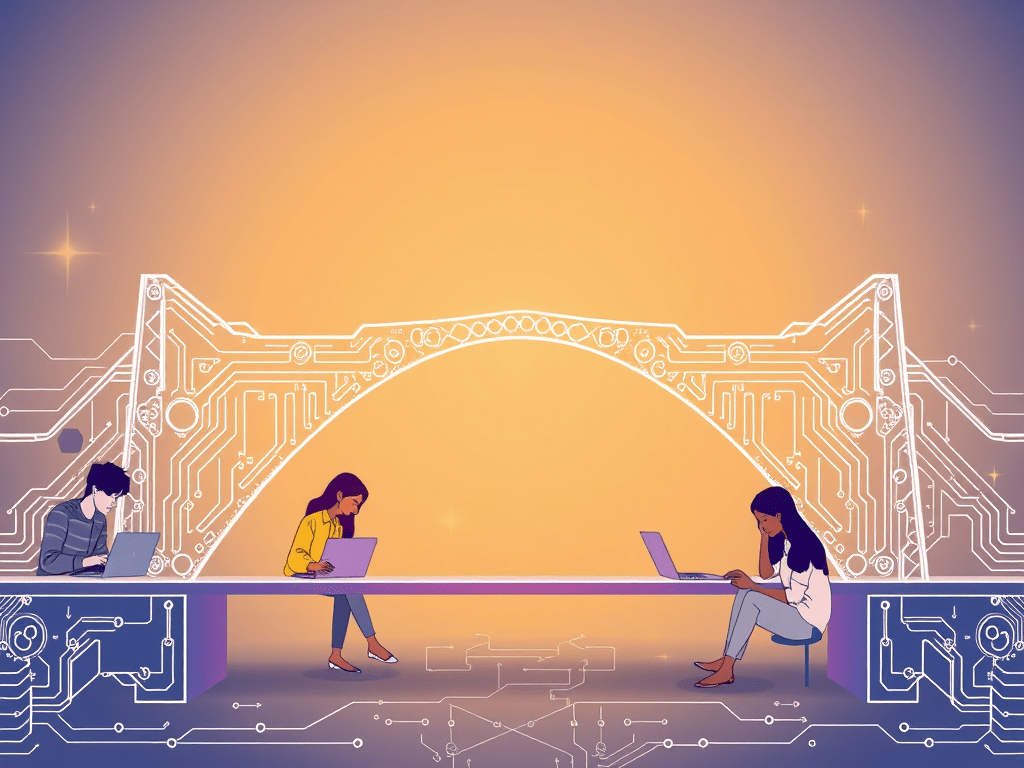
The Connectivity Paradox: More Than Just Internet Access
In our increasingly digital world, access to technology is no longer a luxury but a fundamental necessity, especially in education. Yet, a significant challenge persists, often termed the “digital divide.” This isn’t just about whether someone has internet or a device; it’s a complex issue encompassing the quality of connectivity, the affordability of digital tools, the digital skills of users, and the availability of relevant educational content [1, 2, 3].
The COVID-19 pandemic laid bare these inequalities, showing how deeply a lack of digital access impacts learning and future opportunities [2, 4, 5]. While internet penetration rates are rising globally, particularly in emerging economies, a crucial paradox emerges: high connectivity figures don’t automatically translate into equitable educational access. The real challenge lies in bridging the gaps in device ownership, ensuring quality internet, and fostering the digital literacy needed to truly leverage technology for learning. Globally, approximately 2.2 billion children and young people aged 25 or younger lack internet access at home, representing two-thirds of this demographic worldwide [4].
India: Navigating the Rural-Urban Chasm
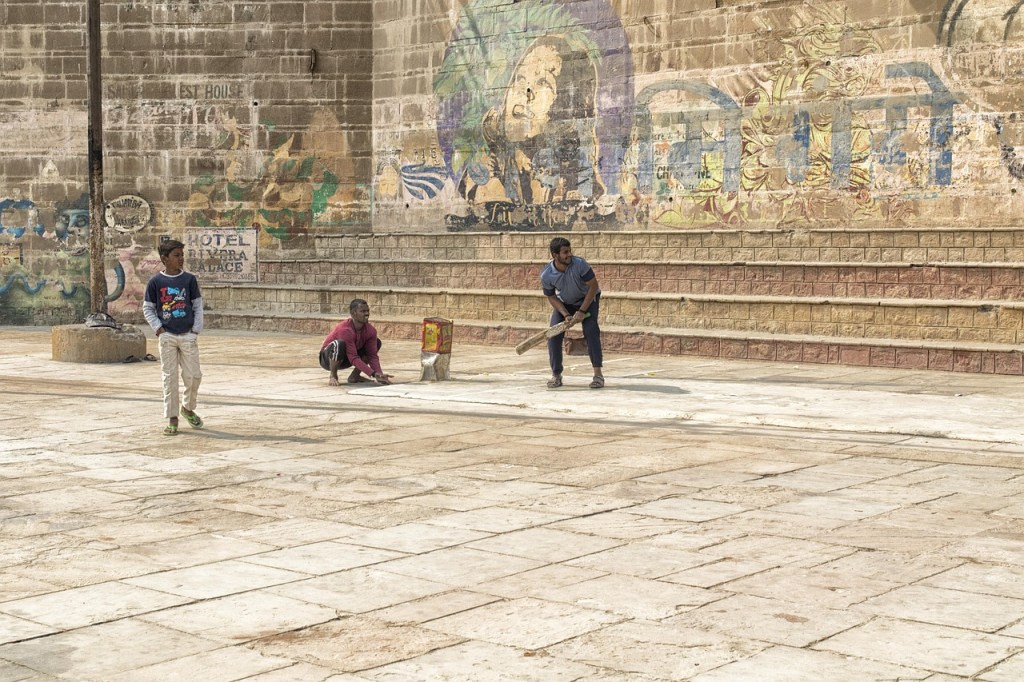
India presents a compelling case study of this multifaceted divide. The nation’s sheer size and diverse demographics mean that digital disparities often manifest as a stark rural-urban chasm.
Key Challenges in India:
- Infrastructure: Rural areas significantly lag behind urban centers in terms of internet connectivity and device availability [18, 23, 30]. Shockingly, over half of government schools still lack internet access, and less than 44% have functional computers [18].
- Digital Literacy: Despite a high rate of smartphone ownership among teenagers (82.2% know how to use them), their use for educational purposes (57%) is overshadowed by social media (76%), indicating a gap in leveraging technology effectively for learning [24]. Overall computer literacy remains low, at around 24.7% for individuals aged 15 and above [23].
- Educator Preparedness: Many teachers lack adequate training to integrate digital tools into their teaching practices effectively, further limiting the impact of available technology [26, 27].
- Affordability: The ongoing costs of internet services and devices are a significant financial burden for many students from underprivileged backgrounds, sometimes leading to the discontinuation of free internet services for government-provided devices [16, 23].
Tailored Solutions in India:
The Indian government has responded with ambitious initiatives like the National Education Policy (NEP) 2020 [23] and the Digital India campaign [30]. Programs such as PM e-VIDYA [29, 30] offer multi-mode educational access (digital, TV, radio) to reach diverse populations. Platforms like ePathshala [29] and DIKSHA [29] provide vast digital resources and support teacher professional development. The SWAYAM [30] initiative democratizes access to free online courses. Infrastructure projects like BharatNet [18] aim to connect all government secondary schools. Crucially, many EdTech solutions are being developed with offline features and localized content in Indic languages, making learning more accessible and culturally relevant [30]. Teacher training programs like NISHTHA [28] are also enhancing digital competencies among educators.
Brazil: Addressing Skills Gaps and Rural Access
Brazil, with its vast geographical expanse, faces distinct, yet often similar, challenges in its educational digital divide.
Key Challenges in Brazil:
- Infrastructure in Remote Regions: Despite a high overall internet penetration, significant infrastructure gaps persist in rural and peripheral areas, where quality internet access remains a challenge [8, 10]. Only 41% of rural households have internet access compared to 89% in urban areas [8].
- Affordability: Economic disparities mean that about 20% of the population cannot afford regular internet access or necessary digital devices, perpetuating exclusion [8].
- Digital Literacy: A concerning 2024 survey revealed that only 30% of Brazilians possess basic digital skills, and a mere 18% have reached an intermediate level [10]. This reflects a broader societal challenge in digital readiness.
- Teacher Training & Policy Integration: Educators often lack sufficient training to effectively integrate technology into their teaching, and new regulations on device use in schools highlight the need for thoughtful policy that balances innovation with discipline [10, 19].
Tailored Solutions in Brazil:
Brazil’s government is actively promoting digital inclusion through programs like “Programa Internet Para Todos” [8], which aims to expand high-speed internet to remote areas. The National Common Curricular Base (BNCC) [10] now explicitly includes digital skills in its framework, guiding curricula development from early education. Recent legislation (Law No. 15.100/2025) [10, 19] allows the pedagogical use of electronic devices in classrooms under teacher supervision, seeking to balance learning with responsible usage. Digital literacy programs are being enhanced through schools and community centers, with adaptive platforms to personalize learning [8, 10]. Partnerships with organizations like UNESCO (through the “Technology-enabled Open Schools for All” project) [31] are strengthening national digital learning platforms and enhancing teacher training.
The Human-Centered Approach: Beyond Connectivity
The experiences of India and Brazil underscore a vital truth: merely providing internet access and devices is not enough. True digital inclusion in education requires a human-centered approach.
This means:
- Comprehensive Digital Literacy: Empowering students, teachers, and communities with the skills to effectively use technology, think critically, and practice responsible digital citizenship [1, 3].
- Localized Content: Ensuring that educational materials are culturally and linguistically appropriate, making learning relatable and engaging [7].
- Teacher Development: Continuously training educators to confidently integrate digital tools and new pedagogical strategies into their classrooms [19, 27, 29, 32, 33].
- Smart Policy: Developing thoughtful regulations that balance technological innovation with educational goals, addressing both access and effective utilization [3, 9, 11, 34, 35].
By focusing on these crucial dimensions, emerging economies can move beyond simply having technology to truly leveraging it for equitable, high-quality education, preparing all learners for the digital future.
References
[1] World Economic Forum. (2020, December 18). 4 reasons why the digital divide matters—and how to bridge it. Retrieved from https://www.weforum.org/agenda/2020/12/digital-divide-internet-access-education-health-employment/
[2] UNESCO & UNICEF. (2024). The Digital Divide: What the Latest Data Tells Us. Retrieved from https://unesdoc.unesco.org/ark:/48223/pf0000388902
[3] Brookings. (2020, May 19). Bridging the digital divide in education: The path to digital equity. Retrieved from https://www.brookings.edu/articles/bridging-the-digital-divide-in-education-the-path-to-digital-equity/
[4] UNICEF. (2023, December 12). 2.2 billion children and young people without internet access at home, UNICEF and ITU warn. Retrieved from https://www.unicef.org/press-releases/22-billion-children-and-young-people-without-internet-access-home-unicef-and-itu
[5] World Economic Forum. (2023, January 10). Digital Inclusion: Can we close the gap? Retrieved from https://www.weforum.org/agenda/2023/01/digital-inclusion-can-we-close-the-gap/
[6] World Bank. (n.d.). Digital Divide – Overview. Retrieved from https://www.worldbank.org/en/topic/digitaldevelopment/overview/digital-divide
[7] UNESCO. (2023, June 14). Indonesia’s education transformation: Merdeka Belajar and the digital divide. Retrieved from https://www.unesco.org/en/articles/indonesias-education-transformation-merdeka-belajar-and-digital-divide
[8] The World Bank. (2024, May 8). Digital inclusion in Brazil: Bridging the gap for a more connected future. Retrieved from https://www.worldbank.org/en/news/feature/2024/05/08/digital-inclusion-in-brazil-bridging-the-gap-for-a-more-connected-future
[9] World Economic Forum. (2023, January 12). How AI can bridge the digital divide. Retrieved from https://www.weforum.org/agenda/2023/01/ai-digital-divide-inclusion-economy-technology/
[10] The Brazilian Report. (2024, June 5). Only half of Brazilians have intermediate digital skills. Retrieved from https://brazilian.report/tech/2024/06/05/only-half-of-brazilians-have-intermediate-digital-skills/
[11] World Economic Forum. (2023, June 21). Bridging the digital divide: The role of public-private cooperation. Retrieved from https://www.weforum.org/agenda/2023/06/bridging-the-digital-divide-the-role-of-public-private-cooperation/
[12] UNICEF. (2020, August 26). COVID-19: Are children able to continue learning during school closures? Retrieved from https://www.unicef.org/mena/press-releases/covid-19-are-children-able-continue-learning-during-school-closures
[13] World Economic Forum. (2023, June 21). The future of skills: How to prepare for the AI revolution. Retrieved from https://www.weforum.org/agenda/2023/06/the-future-of-skills-how-to-prepare-for-the-ai-revolution/
[14] UNESCO. (2023, December 12). Digital public goods for education: Pathways to a more inclusive and equitable future. Retrieved from https://www.unesco.org/en/articles/digital-public-goods-education-pathways-more-inclusive-and-equitable-future
[15] UNICEF. (2024, February 19). Digital education for every child. Retrieved from https://www.unicef.org/innovation/stories/digital-education-every-child
[16] The Economic Times. (2025, May 22). Maharashtra’s free internet for students with tablets discontinued. Retrieved from https://economictimes.indiatimes.com/tech/internet/maharashtras-free-internet-for-students-with-tablets-discontinued/articleshow/99859567.cms
[17] Statista. (2025, January). Internet penetration in India from 2017 to 2025. Retrieved from https://www.statista.com/statistics/266507/internet-penetration-in-india/
[18] Ministry of Education, Government of India. (2024). Education Statistics at a Glance 2023-24. Retrieved from https://www.education.gov.in/sites/upload_files/moe/files/statistics-new/Education_Statistics_at_a_Glance-2023-24.pdf
[19] The Brazilian Report. (2025, January 8). Brazil’s new law allowing cell phones in classrooms. Retrieved from https://brazilian.report/tech/2025/01/08/brazils-new-law-allowing-cell-phones-in-classrooms/
[20] UNESCO. (2025, January 22). UNESCO and Mexico’s Secretariat of Public Education to promote AI in education. Retrieved from https://www.unesco.org/en/articles/unesco-and-mexicos-secretariat-public-education-promote-ai-education
[21] Ministry of Education, Government of India. (2023). All India Survey on Higher Education (AISHE) 2020-21. Retrieved from https://aishe.nic.in/aishe/viewDocument.action?documentId=270
[22] ASER Centre. (2024). ASER 2024 (Rural) – Annual Status of Education Report. Retrieved from https://www.asercentre.org/publication_page/Annual+Status+of+Education+Report+(ASER)+2024+(Rural)/
[23] India Brand Equity Foundation (IBEF). (2024, April). Education Sector in India. Retrieved from https://www.ibef.org/industry/education-sector-india
[24] Statista. (2025, January). Internet penetration in Brazil from 2017 to 2025. Retrieved from https://www.statista.com/statistics/266508/internet-penetration-in-brazil/
[25] Statista. (2025, January). Internet penetration in South Africa from 2017 to 2025. Retrieved from https://www.statista.com/statistics/266509/internet-penetration-in-south-africa/
[26] UNESCO. (2022). UNESCO and Digital Transformation of Education in India. Retrieved from https://unesdoc.unesco.org/ark:/48223/pf0000384445
[27] UNESCO. (2023). National Education Policy 2020: Implementation and Impact. Retrieved from https://unesdoc.unesco.org/ark:/48223/pf0000385108
[28] National Council of Educational Research and Training (NCERT). (2023). NISHTHA – National Initiative for School Heads’ and Teachers’ Holistic Advancement. Retrieved from https://ncert.nic.in/nishtha/
[29] Ministry of Education, Government of India. (n.d.). PM e-VIDYA. Retrieved from https://pmevidya.ncert.gov.in/
[30] India Brand Equity Foundation (IBEF). (2024, April). Education Sector in India. Retrieved from https://www.ibef.org/industry/education-sector-india
[31] UNESCO. (2023, September 20). Technology-enabled Open Schools for All (TeOSS). Retrieved from https://www.unesco.org/en/education/teoss
[32] UNESCO. (2024, May 14). Africa needs a teaching revolution to bridge the digital divide in education. Retrieved from https://www.unesco.org/en/articles/africa-needs-teaching-revolution-bridge-digital-divide-education
[33] The Mail & Guardian. (2024, February 21). Closing the digital skills gap in South Africa. Retrieved from https://mg.co.za/thoughtleader/2024-02-21-closing-the-digital-skills-gap-in-south-africa/
[34] The World Bank. (2023, November 28). Artificial Intelligence in Mexico: Opportunities and Challenges. Retrieved from https://www.worldbank.org/en/country/mexico/publication/artificial-intelligence-in-mexico-opportunities-and-challenges
[35] UNESCO. (2023, December 12). Digital public goods for education: Pathways to a more inclusive and equitable future. Retrieved from https://www.unesco.org/en/articles/digital-public-goods-education-pathways-more-inclusive-and-equitable-future
Disclaimer:
Please note that the views and opinions expressed in this blog post are solely those of the author and do not represent the views of any organization or affiliate. The content provided is intended to foster thoughtful discussion and does not aim to offend or undermine any particular group or individual. Readers are welcome to hold differing opinions and are encouraged to share their perspectives in a constructive and respectful manner.




 Ajay Prasad
Leave a comment